
Teaching moments worth keeping
Small teaching moments worth keeping: five ideas for an ordinary week
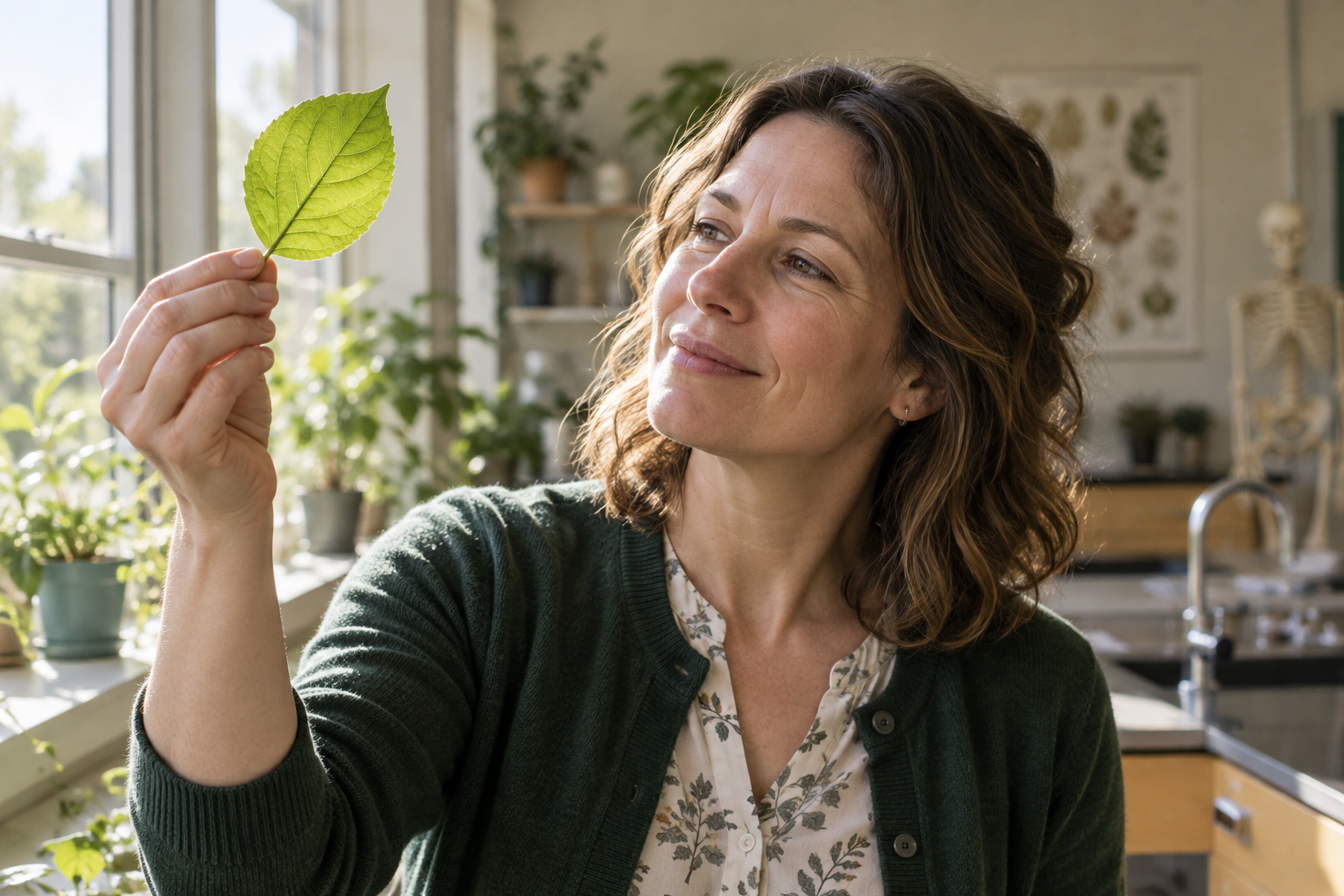
Not every teaching memory arrives with a thank-you card or an end-of-year photograph. Sometimes it is the model you finally got to work, a classroom routine you have made your own, or a detail of a room you will soon leave.
If you want to keep something from an ordinary week, look for a detail you would like to recognise later. It does not need to demonstrate progress, justify your workload or explain why you became a teacher. The useful question is: what would I miss about this moment if I forgot it?
The possibilities below are invented examples, not accounts from Cal's classroom. Use whichever helps you notice something specific; you do not need a memory in every category.
A familiar object with a story attached
A repaired globe, a demonstration model or the battered book you keep returning to can represent part of your teaching life. The object matters because of its association, rather than its appearance.
For example, a familiar globe might bring back years of pointing out places, or the time you repaired its wobbly stand. The scuff on its base may mean more to you than a pristine photograph of the whole room. Choose the detail with the association, rather than trying to document everything around it.
You do not have to keep the object itself. Taking classroom resources home may be impractical or inappropriate, particularly when they belong to the school. Keep a permitted image or your own description instead. If a photo would include displays, names or pupil work, choosing words may be simpler.

A small pleasure in the subject itself
There may be a detail you enjoyed explaining: the shape of a leaf vein, the sound of a sentence read aloud, or the way a map makes a familiar journey look different. These are memories of your own interest, even when there is no particular pupil response to record.
Try choosing the part you would want to tell another subject enthusiast about. "Enjoyed teaching plants" is broad; "The branching veins in the leaf held up to the window" points to something you can picture.
Choose the detail you were drawn to: the pattern, sound or connection that made you stop and look. That keeps the memory specific to your interest in the subject.
A routine that has become yours
Some memories live in repeated actions: setting out a particular set of materials, checking the room before a practical, or choosing a book for the first few minutes of a lesson.
A row of clean paintbrushes ready for the next class, or the click of a familiar equipment case, can stand for a part of the week you know well. You do not need to photograph it each time.
Choose a routine you would recognise if you saw it years later. If its only significance is "I must remember to order more brushes", put that in your normal work system. A useful reminder and a personal memory have different jobs.
A brief shared moment
Sometimes what stays with you is an interruption rather than something you planned. Imagine rain rattling so loudly against the windows that you stop speaking and look outside. The pause, the sound and your own reaction might be the part you want to remember.
You can keep the scene without collecting names, quotations or individual reactions. “Rain on the windows stopped the explanation halfway through” describes what caught your attention. There is no need to reconstruct what everyone said.
If an account only makes sense with a particular pupil's personal story attached, choose something else. Shared does not have to mean recorded in detail: you are keeping your memory of being there.
An ordinary scene that may not stay ordinary
A room before a move, light falling across an empty desk, or the view from the classroom window may seem unremarkable until it changes. You might want one permitted photograph before a display is taken down or furniture is rearranged.
Look carefully before taking it. Registers, screens, labels and work on walls can reveal more than you intended. An empty room is not automatically free of personal information. A narrower view, taken with an approved device where required, may work; otherwise describe the detail without photographing it.
The aim is to retain something you associate with being there. A photograph does not need to show the whole room to do that.

Choose what matters to you, then leave the rest
If several details come to mind, choose the one you would be pleased to come across later. A timetable or an existing note may help place it, but you do not need to reconstruct the week. It may be a subject detail, an object or a brief shared moment. A quiet, mixed or frustrating memory can belong too; you do not have to rewrite it as a success story.
Before saving, check whether the memory depends on somebody else's private circumstances. Removing a name does not necessarily remove identifying information: a distinctive event, quotation and context can still point to a pupil. Follow your school's policy, leave school records in their proper systems, and choose another detail if keeping this one would require someone else's private story.
If nothing stands out, there is no need to manufacture an entry. You can keep a memory when something catches your attention, rather than set yourself a task to find one every day.
From Chalkmarks: Chalkmarks gives you a private place to keep teaching moments and revisit older memories. A few words about a permitted, non-identifying detail can preserve the association without keeping the physical object. Avoid pupil names or identifying details whichever method you use.
Source
The examples and selection suggestions are editorial, not research findings. The privacy guidance reflects the fact that people may be identifiable from contextual information as well as names.
ICO: Introduction to anonymisation — Open source