Objects worth keeping
What belongs in a teacher memory box beyond thank-you cards?
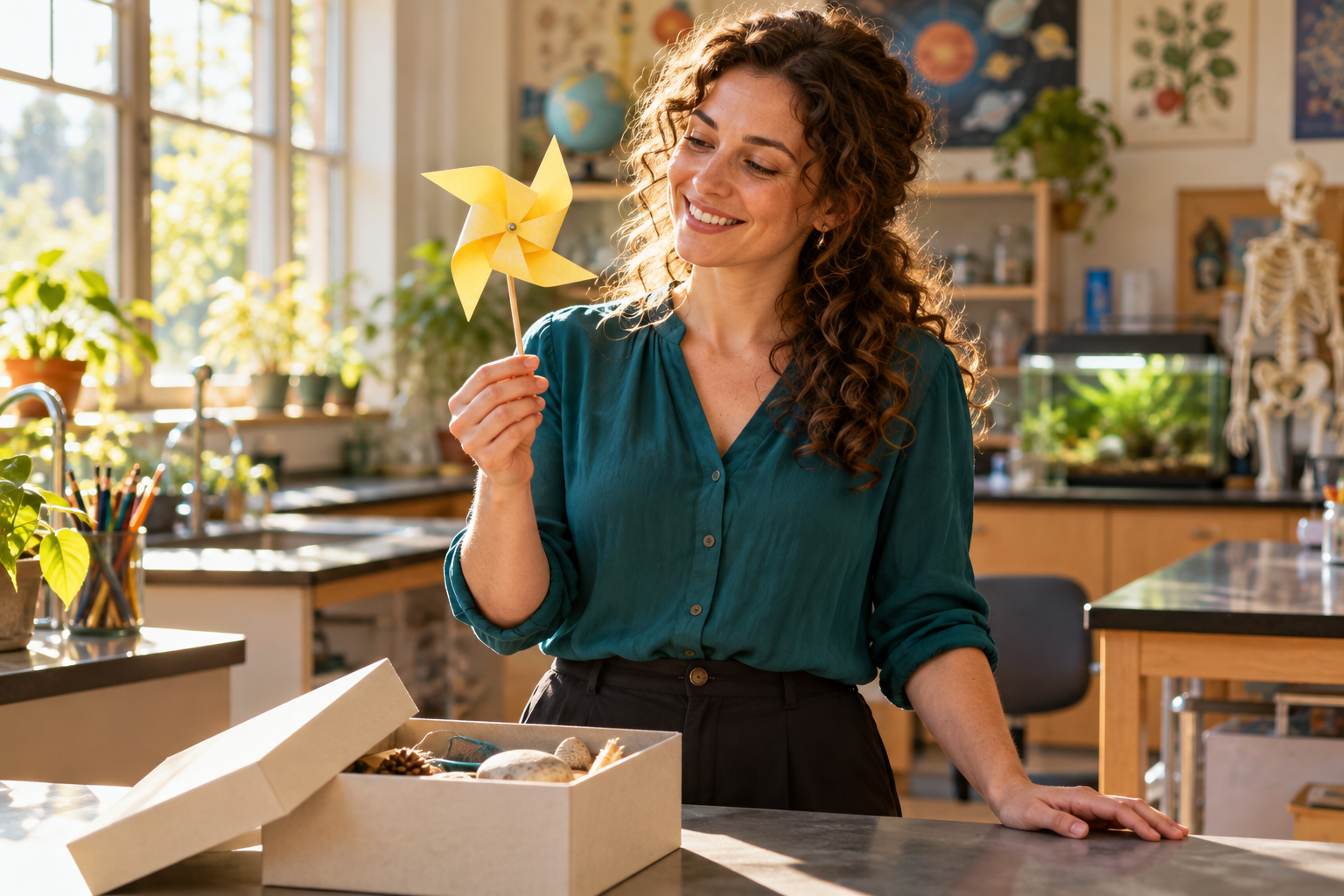
A teacher memory box can hold a few objects that bring a particular part of teaching back to you: a demonstration you made, a programme from something you helped organise, or a small personal keepsake from an ordinary school day. Choose things you are permitted to keep, that carry a recognisable memory and that you actually want to look at again. You do not need a representative sample of your whole career.
Thank-you cards might already have a place. This is about what belongs beside them. If cards are your main collection, our guide to keeping teacher thank-you notes covers storage options; here, the useful decision is which other objects earn their space.
Start with the memory, then consider the object
Pick something you already own rather than shopping for a box or searching the classroom for souvenirs. Ask: “What does this bring back?” A specific answer is more useful than deciding whether the object looks impressive.
The examples below are invented possibilities, not accounts from particular teachers. Your version might be less tidy, less photogenic or meaningful only to you.
- Something you made to explain an idea. Your own paper windmill, demonstration model or handmade prop might recall the pleasure of finding an explanation you liked. Keep it only if it is yours to retain; classroom resources may belong to the school.
- A small item from something you helped create. A permitted programme or your own costume accessory might recall rehearsals, teamwork or a school event. Check programmes for names and other personal information before treating them as personal keepsakes.
- An ordinary object connected to your teaching routine. A personal pencil case, a well-used bookmark or a small desk ornament might remind you of a period when you enjoyed a subject, a room or a way of working.
- A reminder of your own learning. Your personal conference badge, with access codes removed, or a small object from your own subject exploration might recall an idea you tried. You do not need to retain the whole course pack.
An object can matter without proving a success. It might remind you of trying again, enjoying a subject or finding a more comfortable way to teach. Equally, being old or connected to school does not oblige you to keep it.
Use three questions before adding anything
Try this small selection check with one object:
- May I keep it? Is it yours, and does keeping it personally fit school policy? Does it contain someone else’s information?
- What would I want it to bring back? Can you name the moment, routine or feeling without relying on identifying details about a pupil?
- Is the physical object worth the space? Does its shape, texture or wear matter to you, or would a permitted photograph and a few words do?
“Not sure” is a reason to pause, especially on ownership or privacy. Ask the appropriate school colleague rather than assuming that a discarded classroom item is free to take. Do not remove records, pupil work or school equipment to complete a collection.

Keep enough context to recognise it later
A tiny object may make perfect sense now and seem mysterious later. If useful, add a short description on your phone: what it is, roughly when it mattered and why you chose it. An exact date is unnecessary if you do not remember it.
For the demonstration model, that could be: “Paper windmill, autumn term. I enjoyed working out how to make the explanation visible.” That records your connection to it without turning the keepsake into a lesson evaluation or a record about a child.
If a photograph is permitted, show only the object against a clear background. Check for names, screens, work and people behind it. Photographing something does not remove the ownership or privacy questions; it changes the form of the copy.
Chalkmarks offers a private place to keep teaching memories, including a photo and a few words about why an object mattered. Use it only for suitable personal memories, following school policy and leaving pupil names and identifying details out.
Give the collection a boundary that suits your space
A small box you already have can be enough. You might choose one layer of objects, one small container or a collection for a particular period. These are optional limits to make choosing easier, not targets to fill.
Keep fragile pieces from being crushed and avoid damp storage. This is an everyday keepsake approach, not specialist conservation advice: valuable or delicate material may need more suitable storage. Large objects can stay where they are useful; they do not have to fit inside a literal box to count as memories.
School records and safeguarding information belong in authorised systems. The Department for Education’s record-management guidance for schools in England describes school retention responsibilities. A personal memory box is not a reason to bypass those arrangements; follow your school’s policy and local requirements.
Let the box stay small
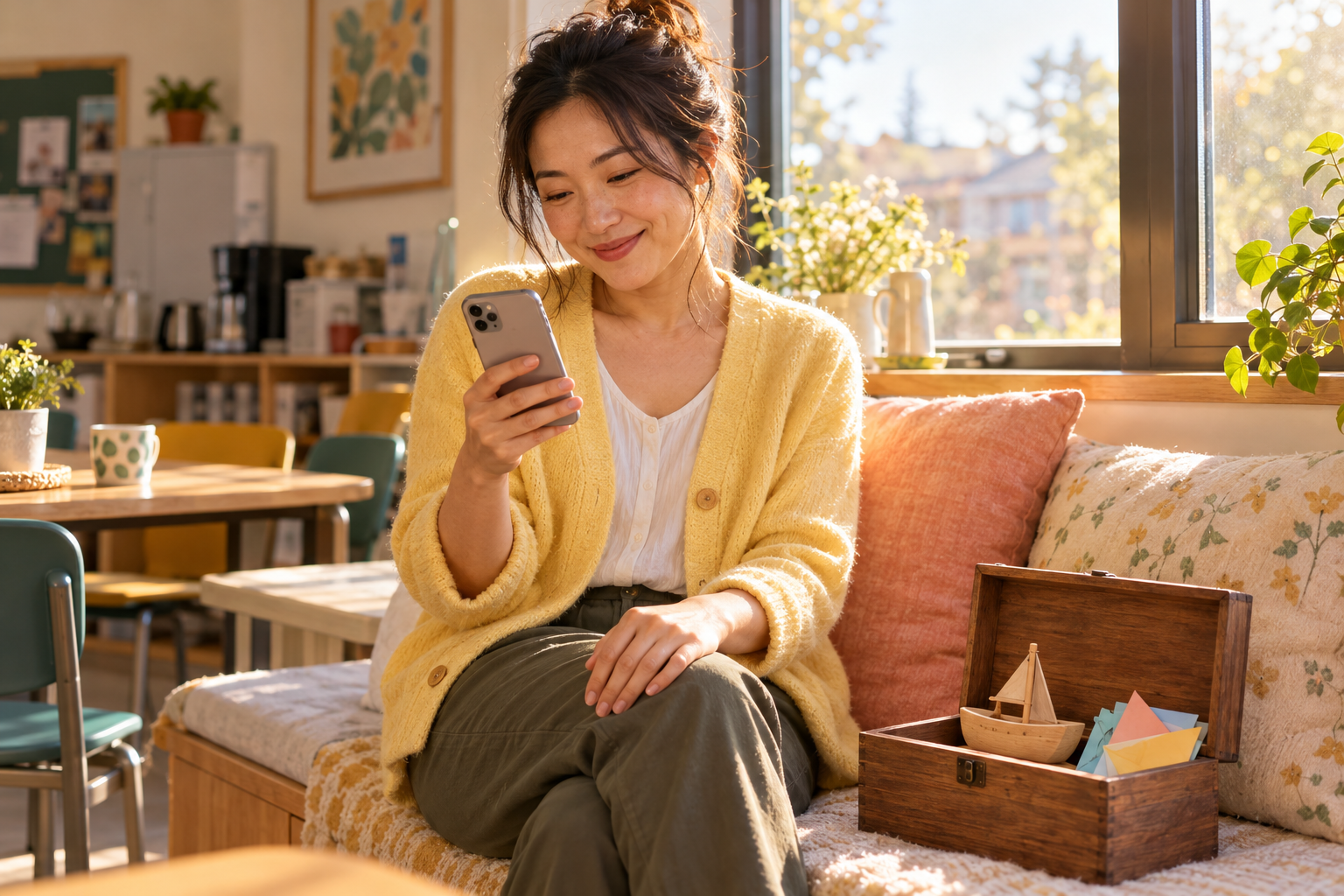
You can open it when something brings it to mind, without setting a review schedule. If you later choose to let an object go, that does not cancel the experience. Keep a permitted photo if you want one; keeping nothing is also an option.
For today, choose one object already within reach and ask the three questions. If it passes, give it a place and perhaps a sentence of context. If nothing comes to mind, leave the box empty for now. A collection becomes personal through what matters to you, not through how quickly it grows.